Pittsburgh, Connected: How Bike Lanes and Public Transit Are Expanding Access Across Allegheny County
Whether you’re commuting to work or exploring Pittsburgh’s neighborhoods and trails, marked bike routes combined with PRT service can help you get there your way.

There’s more than one way to get around Pittsburgh, and that’s a good thing. Whether you’re headed to work, crossing off errands, or exploring a new neighborhood or trail, getting from point A to point B is more flexible than ever.
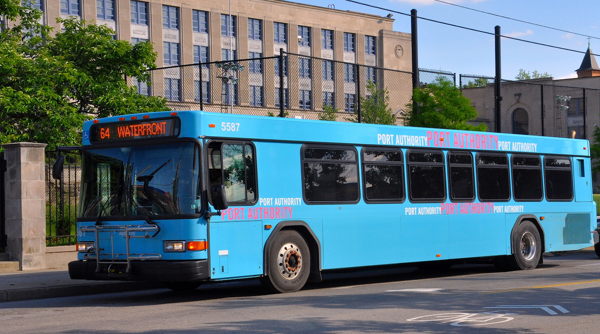
PRT provides service across more than 500 square miles of the county, offering an expansive network of buses, light rail, and inclines that connect communities throughout the region. Its 26.2-mile light rail system - better known as the “T” - links Downtown Pittsburgh with the South Hills, while a bus network spanning more than 96 routes reaches neighborhoods and suburbs across Allegheny County. At the same time, the City of Pittsburgh has more than 117 miles of marked bike routes, including contraflow lanes and protected bike infrastructure. PRT buses are equipped with bike racks, and standard bicycles can be placed on the T to better connect bike paths with the bus routes.

Together, these systems form a coordinated mobility network that makes navigating Pittsburgh and some of its surrounding communities safer, easier, and more accessible.
One of the biggest benefits is faster, more predictable commutes. When buses can move efficiently through dedicated lanes instead of sitting in the same congestion as cars, riders spend less time waiting and more time getting where they need to go. This makes public transit an alternative option not just for work, but for everyday trips like school drop-offs, appointments, and errands.
The bike-and-transit combination also offers a practical climate win that fits into daily life. Choosing a bus ride, a bike trip, or a mix of both reduces tailpipe emissions and fuel use, turning sustainability into something residents can practice on an average Tuesday, not just an occasional special effort.
Coordinated bike lanes and transit routes also help create safer, more comfortable streets for a wider range of travelers. Protected and painted bike lanes, along with clearly marked transit corridors, set clearer expectations for everyone on the road. That can help reduce conflicts and make walking, biking, and riding transit feel more approachable for families, older adults, and those new to using active transportation.

Perhaps most importantly, these investments create a powerful network effect. Bike infrastructure extends the reach of high-frequency transit corridors, while reliable bus and rail service strengthens those corridors, together offering a broader mobility menu that connects more people to jobs, shopping, parks, and events across the region. As an organization, PRT recognizes the importance of dedicated bike lanes, which is why additional lanes are being added throughout Uptown and Oakland as part of the University Line Bus Rapid Transit project.
By supporting first- and last-mile connections, Pittsburgh’s growing bike network and PRT service make more end-to-end, car-free trips possible. Whether it’s biking to a station, hopping on the T, or taking the bus the rest of the way, residents and visitors alike have more flexible, efficient options to get where they’re headed.For additional information on how to travel with your bike (or scooter) via bus or light rail, visit https://www.rideprt.org/inside-Pittsburgh-Regional-Transit/rider-info/how-to-ride/Bikes/. For additional information about biking throughout Pittsburgh, including safety and route information, visit https://bikepgh.org/.